Use the map above to explore, or begin by walking the Pilgrim's Path.


The hour is late, and the sun rolls lazily on the horizon. This far north, darkness is still months away. It's the height of summer in Uir, and temperatures in Tikal village are peaking at 25F. Despite the hour, there are still plenty of locals milling about. These are the Tikal, the people for which the village is named. They're expecting outlanders at this time of year, so there will be a warm bed waiting for you somewhere.

To make it to the northernmost settlement on the Rhodinean continent, you will have walked the Pilgrim's Path, so named because few make the journey for any reason other than holy pursuits. The path begins down at Shattered Pass, the end of the railway and your last chance to resupply. With the frontier town behind you, the hike north will last days through taiga, across the caribou-dotted tundra, and directly into hostile territory. These remote and barren lands are a point of contention between three nomad tribes. The tribes don't care for each other, and they especially don't care for you. (They're bound by holy oath not to slaughter pilgrims, but it's still not a good idea to tempt them.)

At last, when it seems like the worst is behind you, it's time to start climbing. Elevation gains very quickly at the tail end of the path, and you don't want to stray away from the guidelines and cache points other pilgrims have left for you. This particular path has no sheer vertical segments, though there are still some rather harrowing parts of the climb.

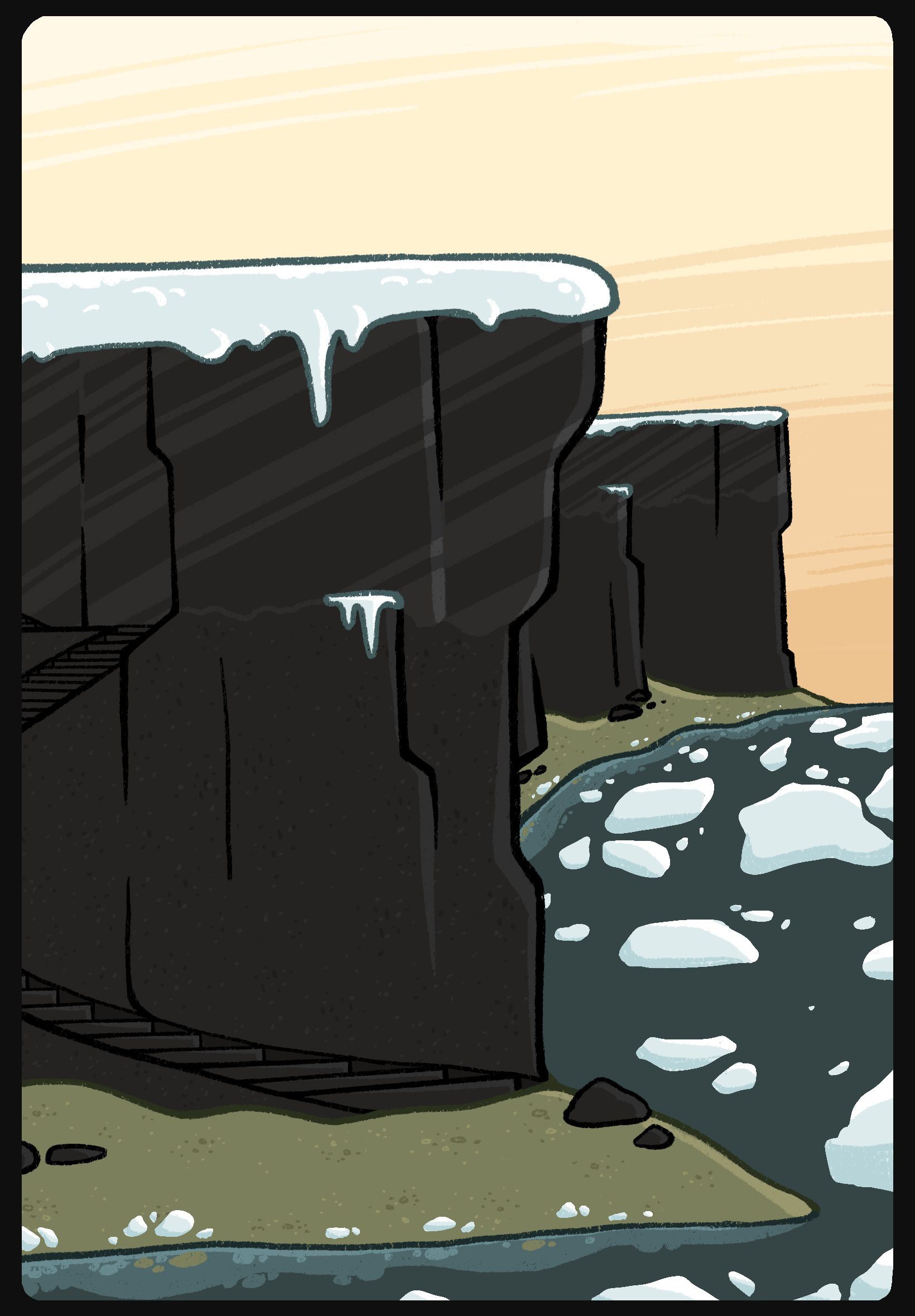
The air is much thinner when at last the terrain levels out. A few jagged black cliffs jut out from the ice here and there, but the ground is largely flat from here on out. Seems a bit unnatural, as if someone lopped off the mountain's peak with a great knife. Certainly unusual.

The Pilgrim's Path finally comes to an end at the Great Hall. You should head inside.


go back


Built from meticulously cut stone, the Great Hall is the peak of Tikal architecture. Which is to say, it isn't much to look at, but it is sturdy, reliable, and it keeps the elements out. Not to mention, it has outlasted every nation, every empire in modern history. Quite the accomplishment for a simple stone hall. From the outside, most of the building is covered in a heavy layer of snow, and this is by design. Turns out all that snow provides some pretty fantastic insulation. The whale bones, meanwhile, are just for decoration. Two braziers burn near the entrance. The twin purple flames burn night and day, no matter how hard the wind howls.

The first thing you'll see upon stumbling in from the cold is the enormous hearth. Like the braziers outside, there's no fuel for the flames– at least nothing you recognize. The hearth is filled with a purple crystalline grit, and enchanted flame comes directly from this. The locals here have had to get creative with the materials at hand. If you were paying attention, you would have noticed that there's no trees or any other source of vegetation for miles. Rather than hike for days at a time to gather firewood, the Tikal work with what they have.

In this desolate clime, you might expect to find a culture just barely clinging onto the margins, but the Tikal have become quite comfortable in this barren wasteland. They are far and away the most cold tolerant people in the world, so while the climate still poses a real and ever-present threat, they do not fear the ice nearly as much as you ought to. And while the land might be completely unsuited for agriculture of any type, this is not a problem for the highly adaptive locals. Somewhere along their very storied history, the Tikal became obligate carnivores. And speaking of, this Great Hall is where the majority of cooking is done, as most meals are large and communal. Twice a day, hearthhands serve up stews, roasts, and all manner of meat-focused meals. Roasted, braised, smoked, fermented, fried in blubber, boiled, salted, brined, anything your heart desires. Though you will notice a total absence of grains or greens. The Tikal can no longer digest plant matter, so you'll need to bring your own if you're worried about that sort of thing.

It might surprise you to hear that a society like this engages in trade at all, but even this remote culture has some ties to the world at large. If you're here at the right times of year, you might see a small team of Grenvellan traders stop by to deliver the one thing the Tikal want but cannot make for themselves— spices. And why would traders make the arduous journey all the way from Grenvel? They're here for crystals. It's the priest's job to harvest the crystals, whatever that implies. Both sides seem very happy with this exchange, and both sides are of the opinion that they are taking advantage of the other side. At least everyone involved is very polite about it.

You listen to them talk for more than ten minutes, you'll hear about their 5,000 year history, says warmly dressed traveler. A very out of place nenn calling himself Jiri Przygoda. He is clearly as much a stranger to this place as you are, though he seems somewhat familiar with the culture he's found himself in. I like to visit for the summer solstice whenever I get the chance. This place is fascinating. Ecologically, geologically, it's absolutely fascinating. That's nothing to say of the people. Wonderful crowd of folk, very eager to tell you all about their history and traditions. Five millenia of unbroken tradition, five millenia of living the same way their ancestors did. Just try to imagine the implications of that. Sure beats out what we've got where I come from.


This Mister Przygoda seems to be some sort of academic, what with the heavy pack filled with maps and field guides, not to mention his own notebook brimming with all sorts of sketches and observations. There is so much about this place completely absent from modern recordkeeping, so it's no wonder the glacier is a curious naturalist's dream. (It should go without saying that Jiri's budding romance with the tribe's priest plays a large part in his familiarity with the area).

But you should not mistake the Tikal's preference for stone based technology and ancient metalworking techniques for “primitiveness.” They are fully aware of the outside world and its social and technological advancements. They simply choose not to participate in that world. Less a matter of ignorance and more a matter of taste, really. And considering the state of the world, can you really blame them? Besides, those who want to leave the culture to go live in the city or herd caribou are more than welcome to do so, but the remaining tribe goes to great lengths to maintain the same ultra-orthodox lifestyle of their ancestors.

This is not to say they will not pick and choose what advancements to fold into their society. Maternal care in these ancient stone buildings is just as robust— if not moreso— than you'll find anywhere on the continent. That sort of thing is in the best interest of the tribe's survival, and similar improvements in their healing magicks are hardly controversial additions to existing tradition. But when it comes to hunting, their spears work just as well now as they did 5,000 years ago. The old recipes that kept their ancestors fed and healthy taste just as good today. The Tikal have no interest in change for change's sake, especially when those changes would require materials hostile to the ecosystem. Surely, the tribe would enjoy books and literacy, but not when every part of the book making process requires materials they cannot access or maintain. When a page is torn, it's lost forever. That sort of impermanence is antithetical to Tikal culture.

They consider these things more of a curiosity than anything else, Jiri explains. Interesting, but not practical. And these people love practicality, trust me on that.

You should try visiting with the locals, if you haven't already. It would be rude not to introduce yourself to your hosts, after all. Or, if your curiosity is insatiable, you can stop acting like you came here for any reason other than that ominous black tower. Go ahead, everyone knows you're thinking about it.


go back


Good news for weary travelers, it is not particularly hard to find a place to sleep in Tikal village. If sleeping in the Great Hall feels too public for your tastes, perhaps you'd be more suited to bunking with a local family. Most of the Tikal live in small, cozy tents called lavvu, which are made from the ribs of large whales and several layers of thick sun eater hides. Lavvu are easy to break down and transport along the tribe's annual migration path, and they're light enough to pitch on thick sea ice for fishing and whaling expeditions. Space is quite tight, so it's rare for more than four people to share a lavvu, and don't expect much privacy.

The most notable feature in any lavvu is the crystalfire hearth. A brazier pan made of copper or iron hangs suspended from the whalebone supports and is raised or lowered as needed. Supposedly, the warmest place to sleep is directly underneath the hearth. If your hosts let you sleep there, they must really enjoy your company.

For some members of the tribe, the year's migration might not be feasible. The elderly, the ill and injured, as well as newborns and their parents will opt to settle in the stone huts. These are much larger than lavvu, and there are far fewer of them. The extra space and stability make it easier for larger groups to bunk together for caretaking purposes. While the thick fur layers keep lavvu houses at pleasantly moderate temperatures, the heavy insulation afforded to the stone houses (as well as the much larger and more permanent crystalfire hearts) make these shelters downright warm inside. While the outside air struggles to top 25F at the best of times, the inside of a stone house averages a very comfortable 70F.

The nature of the Tikal's living situation is very transient and fluid by design, and people will group together based on whatever best keeps peaceful social order and what best suits everyone's needs at any given time. The young adults who like to stay up giggling and gossiping until the wee hours live together so that they don't butt heads with their elders who prefer early nights and early mornings. When conflict erupts in the home, a change of living space helps tensions cool without things coming to blows. After all, that is the ultimate goal— maintaining the stability of their fragile society.

Every single one of the Tikal is acutely aware that even a temporary fracture of their tribe could quickly cascade into catastrophe. There is not a lot of margin for error in a place like this. The stability of the group will always take priority over the desires of the individual. This is what has kept their culture alive for the past five millenia, and the Tikal have full intention of seeing through five more.


go back


What look like two large stone huts are in fact workshops. Alternatively, one could call them butchery huts, because that is the vast majority of the work being done here. If you wondered where all those beautiful cuts of meat being served in the Great Hall come from, wonder no more. While the Tikal are quite adept at scavenging everything they can eat out of the shallows, the majority of their food comes from two animals: Whales and sun eaters.

Surely you've heard of whales before. The Tikal don't hunt the massive titans you're surely thinking of, though they will never let a beached giant go to waste. No, the animals they hunt are small, toothed whales closer in size to a porpoise or beluga. They are far more numerous than the larger cetaceans, and they are easily able to replenish what the Tikal take. Even a single animal provides ample meat and blubber, and as averse to waste as they are, none of the Tikal hunters would ever take more than they need.


Whales are the primary meat of the autumn and winter, when the sea ice freezes solid enough to support hunting camps. Spring sees the whales continue on their own migration, and so the fishing season begins. Unlike the long whaling hauls, fishing trips rarely last more than a day or two, so the camp moves off the sea ice and back up to the glacier.

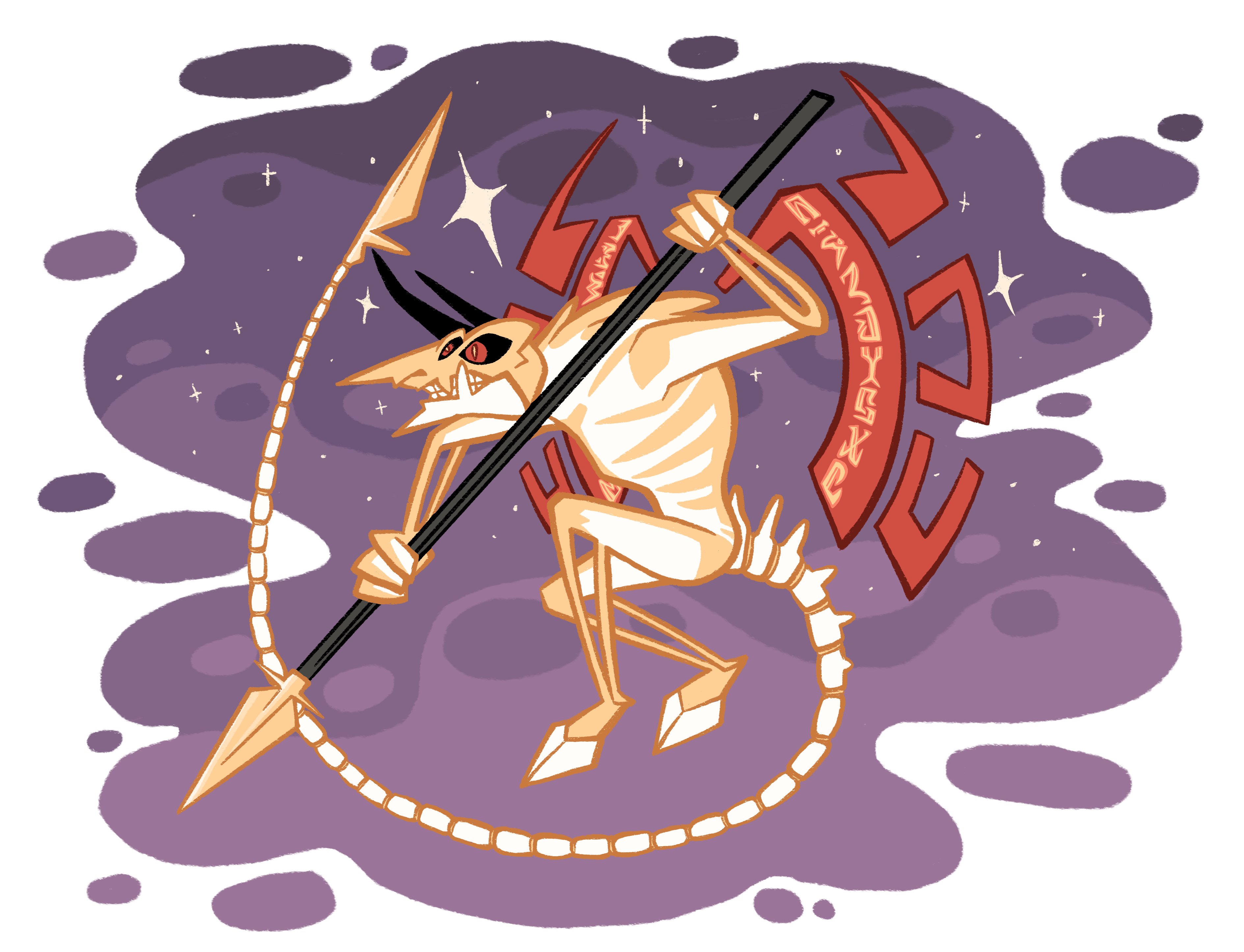
Sun eaters are the real wildcard in the equation. You've never heard of them, because they only live here. They spend nearly the entire year on the glacier, soaking up as much sun as they can capture on the black photosynthetic patch on their backs. True to the name, they are rarely seen eating and subsist largely on sunlight. After they're done basking, they will curl their long tails up to cover their exposed backs. During the long, sunless winters, they dig large craters in the ice with their tusks to settle down and hibernate in. Tikal hunters do not treat hibernating sun eaters as valid game, and it's seen as unsporting to hunt the sleeping giants. Besides, they don't want to discourage the animals from nesting in their generational spots. Change like that could be catastrophic for the Tikal's hunting routines.


So you have two enormous animals that offer hundreds of pounds of meat and blubber for every successful hunt. How does one manage all that? If the frozen blood wasn't a giveaway, that's where the workshops come into play. They are kept just below freezing inside– still an improvement to the outside climate, even at the best of times. This is to keep the meat from spoiling before it can be cooked, without letting it freeze solid enough that the carcasses can't reasonably be butchered.

Dozens of people will go into and out of the workshops at all hours of the day when an animal is being butchered. It's a monumental task for a single individual, but everyone putting in a bit of time to cut and portion meat means no one needs to work especially hard to get the job done.

As you can imagine, nothing goes to waste here. Even the blood is carefully portioned into frozen blocks so that the tribe's ferromancer can extract excess iron. New ore is always a boon, even if it takes a lot of focus for not very much return. That sort of thing adds up over time, and if there's one thing the Tikal have on their side, it's time.

Oh, and for the curious– sun eater meat has a taste similar to beef or venison, with the flaky texture of fish. That stuff's a real crowd pleaser.


go back


What do you do when you find a hole in the ice that goes hundreds of feet down into a dark frigid abyss? Build a toilet over it, of course. The village's two outhouses are quite large in size, on par with the workshops. Inside, they are a balmy 50F thanks to some hanging braziers and a few strategically placed heating charms, so an outhouse is hardly the worst place to shelter during an emergency.

The toilet itself is a large stone slab with five holes bored through. Not large enough to fall through, but still large enough to get stuck, so use with caution. The whole thing is elevated on a stone base at a comfortable sitting height and altogether, the toilet cleanly covers up the fissure in the ice. Two problems solved at once— waste is managed, and a potential death trap is cleanly sealed.

And yes, five holes per toilet. All evenly spaced with ample room on both sides of course, but make no mistake, this is indeed a communal experience. The shy piddlers in the crowd need to be strategic about their trips to the outhouse. For the gregarious, bear in mind that while toilet conversations are tolerated, it's considered bad form to spend too much time chatting with your neighbors (especially if there's a line).

Oh and mind that rush of cold air when you sit down, it takes a lot of outlanders off guard. If you do get stuck, don't be too proud to call for help. Better to deal with that problem sooner rather than later.

No, nobody has ever fallen through the toilet and died in the ice fissure. You're not going to be the first.


go back


Uir was once a larger nation. How much larger? That's hard to say. What is very clear is that this is the precise point where the island broke apart. What happened to the northern portion? Again, hard to say. If one were to trace Uir's northern shore from east to west, they would find these same cliffs from beginning to end. All that's left of some ancient catastrophe are these cliffs, which plunge a few thousand feet directly down to the sea.

It's a bad idea to stand at the edge. Strong winds, loose ice, or– if the locals are to be believed– angry spirits and gruesome devils will see to it that you don't stay at the top of the cliff for very long. But of course, the sea is an integral part of Tikal culture; those whale bones have to come from somewhere, after all. Follow the path, and you will find yourself at the sea stairs, carved into the rockface over centuries. They hug the cliffside, zigging this way and zagging that way as the cliffs themselves dictate. Though there is no railing or guard of any sort, the steps are broad and cut wide– wide enough for three people to walk abreast– and those afraid of heights are advised to stick close to the rock and never look down. Oh, and step lightly– ice is a constant concern, and while slipping is unlikely to send you clean over the edge and down to the sea, it's still a long way between landings.

Waiting for you at the very bottom of this treacherous descent is a narrow strip of olive green sand beach. It winds along the cliff face for hundreds of miles, a vibrant contrast between the black stone and dark waters. Slush waves lap gently at the shore, thick with chunks of slowly melting ice. Even at the height of summer, the ice never disappears completely. Come autumn, this part of the sea will freeze solid enough to pitch a tent on.


While the space between the tide and the cliff face is narrow, it is vital land. Here, strange seabirds called akua gather in the summer to nest and sun themselves. The akua is a large, seal-bodied bird with very long beaks. They are agile swimmers and expert fishers in what are shockingly productive waters. Prey is ripe for the picking, so akua pods are quite sizable. They seem to have no fear of people, and that is a behavior unique to this beach. They know better than to stick around if they see someone approaching on the sea ice, but Tikal customs forbid harvesting anything from the birds during their nesting season. In turn, the birds have learned that they don't need to waste body heat galumphing away from errant beach combers.

These calm waters are as dangerously cold as you would imagine. Couple this with the Tikal's lack of any boats, kayaks, or canoes, and one might wonder exactly how they have come to be so dependent on whales. As with most of their seafaring pursuits, whaling requires sea ice. Hunters wait for the waters to freeze solid enough to walk onto, then they puncture a few strategic holes into the ice. Many sea animals will flock to these holes, including any whale too small to bash through the ice for a breath of air. It takes more than one spear to take down even these small whales, so the clever Tikal affix inflated sun eater bladders to the ends of their whaling spears. The air in these bladders makes diving difficult, and the speared whale exhausts itself trying. Then comes the coup de grâce and the arduous task of hauling the whale out of the water and dragging it home to be butchered. If that is too much work for your tastes, a bit of good old fashioned ice fishing ought to satisfy.

There are two ways back up– the way you came, and the long way. On the far side of one of these cliffs is a much more gradual ascent. You will need to walk much further, but you also won't need to worry about climbing thousands of steps after a long, unsuccessful day at the ice holes. This long path is much more amenable to those who might be dragging a heavy sledge, and it will deposit you not far off from the Tikal's eastern camp, if you're lucky. If you're unlucky, everyone is camping at a different site on the migration route, and there will be nothing waiting for you here but snow drifts. In that case, it's in your best interest to overnight in the hotsprings cavern or one of the larger lava tubes. It's not a good idea to walk through the night, even if that night keeps the sun at your back.

But if you want to get back to where you came from and you aren't afraid of a good lower body workout, then hop to climbing. It's a few thousands steps from here to there, but if that weird priest can do it, then what's stopping you?

Either way, you'd best get a move on.

go back


This is why you came here, isn't it? Days of hiking into the most inhospitable conditions imaginable, nobody does that for fun. You came to this place because you thought that maybe, this otherworldly tower might have an answer to the ills that plague you. Well you can sweep those assumptions aside, because God isn't home right now, and They're not coming back for the foreseeable future. Check back in 30, 40 years, perhaps.

You are at the Sky Pillar, the place where The Elder God, Archaeos comes to roost. It is a strange black obelisk that pierces the sky, made of materials unknown and built by hands unknown. Or perhaps it's a natural product of a very unnatural place. Hard to say. In fact, there are some (entirely unsubstantiated) rumors that the Sky Pillar is the only reason the whole island didn't break apart and sink into the sea. It certainly doesn't seem like a coincidence that everything north of the Pillar is gone.

Regardless of its origin, the Sky Pillar is undoubtedly a place of power. No wonder one of the Elder Gods would seek out a place like this. Not now, of course. You would certainly see if there were a primeval deity standing up there. Right now, They are up in the atmosphere, where the heavens meet the cosmos. What are they doing up there?

Watching, says the priest. God only comes to roost when They see fit, he claims. I must apologize, but God has no time for your mortal concerns.


Hopefully that is not the reason for your visit. The chance to walk holy ground is enough to satisfy the rest of the pilgrims, why can't it be enough for you? Whatever revelations you choose to have at this place should not be misattributed to Archaeos, and the priest will helpfully direct you to more sympathetic members of the pantheon.

If you are at all familiar with the mythos, you will understand the proper way to pray to a god like Archaeos. The world was born through an act of sacrifice— the death of the universe's creator. From the corpse's flesh, blood, and bone came the three Elder Gods, the architects of the world. From nothing, they built the land, sea, and sky. They did not build this world for you, you just came to exist upon it. To a god like Archaeos, one offers only gratitude and tribute and asks for nothing. After all, you already take so much.

If the Old Ones want us to know one thing, it is to know that we are animals, The priest will helpfully remind you. We are not higher than any other beast. We are parts of this world, not exceptions to it. To be favored in the distant eyes of the Elder Gods, a people must be deeply mindful of their place in the natural world. If we were meant to live blind to consequence, then they would never have spoken to us in the first place. Surely you can understand why my people hold this edict very close to heart.

Then what of the tower itself? If it were simply meant to be a divine roosting point, surely there was a better means of constructing such a thing. This great, looming obelisk is asymmetrical, warped and twisted. Pieces of itself jut out in illogical places, and from where you stand, even the peak of it looks hostile and jagged. The whole thing bears an eerie resemblance to a colossal, sinewy limb reaching up from the ice and rock to claw at the sky. Even the color of it is uncertain— it is clearly meant to be black, but it reflects a faint purple and green shimmer, not unlike a soap bubble.

And it would seem that it was, in fact, not of holy design. Not even Old Archaeos knows exactly where this thing came from. For a god who spends all Their time watching, this seems like a substantial oversight. Perhaps, the priest suggests, the answers to these questions could be solved by going below.

Perhaps, he says. But perhaps not. What's the harm in a bit of curiosity?

And there it is, a small cavern entrance near the base of the Pillar's dais, only a few feet of ice between you and the edge of the cliff. So are you going to squeeze into that narrow stone tunnel, or are you some kind of coward?


go back



Ask anyone in Tikal village and they'll say the same thing: Don't let Yeve take you to the crystal caves. He's going to try it, it's a bad idea. And yet, here you are. Curiosity and all of that.

This place has always been taboo, Yevekai insists. I certainly made it worse.

There's a story here, and he isn't telling it.

It's a place of power, as one can imagine. I like to think of it as a continuation of the Sky Pillar, but inverse. What makes it inverse? What are the implications of inversing a holy site? Don't bother asking, you won't get a straight reply.

The caves start as a small hole at the base of the Sky Pillar, already hostile to the prospective visitor. It's a tight squeeze, but you can make it in if you're a lanky sort of person, or if you're just determined enough to fit. An immediate drop of over five feet might take the wind out of an unprepared explorer, but there's still a few narrow passages to go before you'll be spat out into the cavern proper.

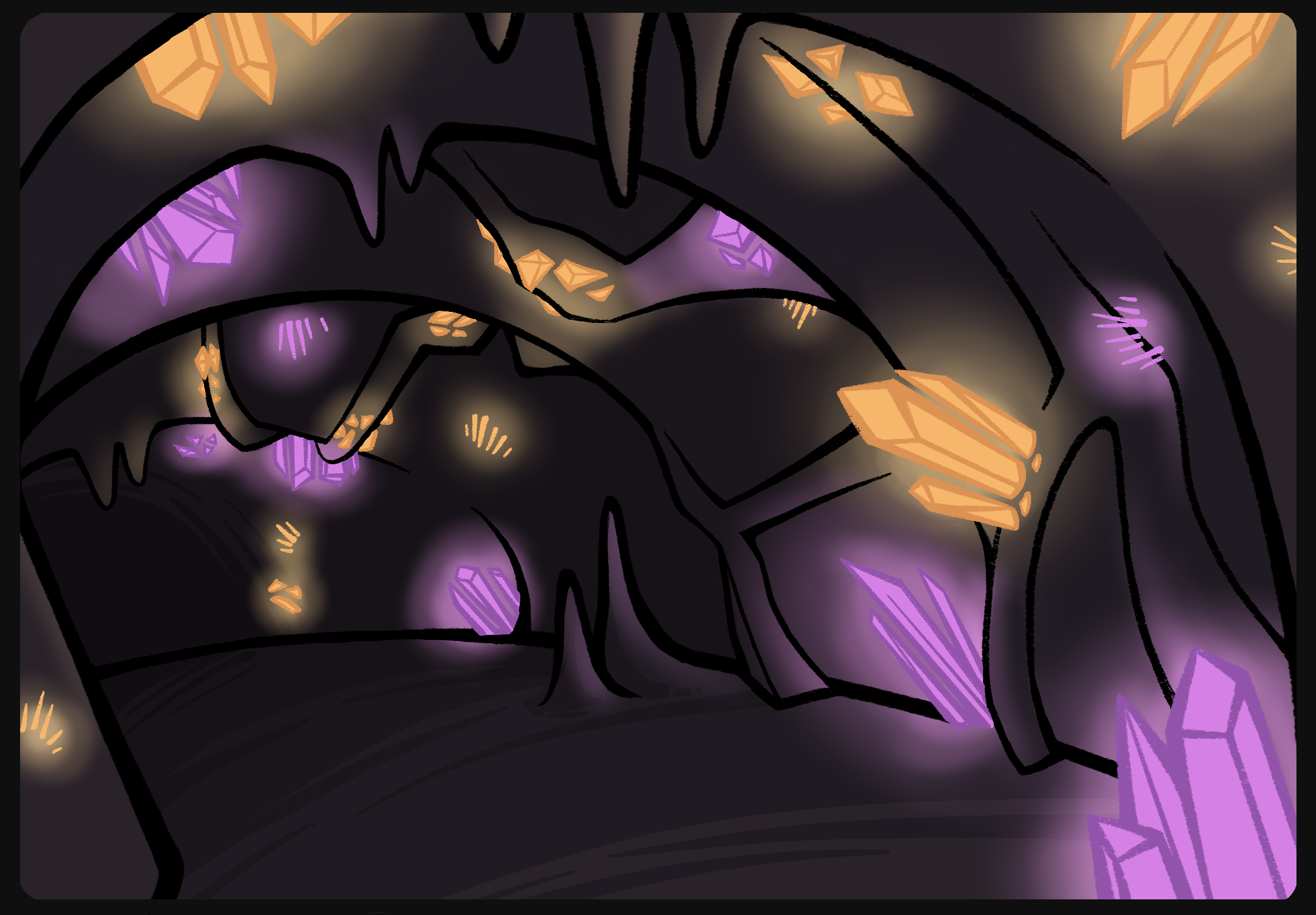
The first thing you're bound to notice are the crystals (thus the name). Yellow and purple, they jut out from the cave walls at sudden and dramatic angles. Their shapes vary from thick prisms to tiny needles that look like they might crumble under the slightest touch. And it's best not to touch, because the cavern gives off a very peculiar energy. Who knows what might happen if you go around touching strange minerals in a place like this. On the bright side, the crystals themselves give faint illumination to the rest of the cave. You'd have a hard time reading in this low light, but it's more than enough to see where you're going.

Look beyond the crystals, and you will quickly get a sense that there is something wrong with the cave. The shapes in the walls don't look like natural formations. In fact, in this low light, you may start to see shapes and angles that you wouldn't expect to appear in the natural world. It's as if this place was intentionally designed. To that end, the cavern's path leads in a single direction– it curves downward. And it keeps going, and going, and going... The cave is curling in on itself, an unsettling corkscrew boring down into the bedrock.


Every step builds the weight on your back. Every flickering shadow, every sinewy twist in the stone, every inch further into the earth screams louder and louder– YOU SHOULDN'T BE HERE. It's obvious now why the Tikal avoid this place. There are unseen eyes and a grinding mind within the stone. This place is alive. It is alive, and it does not care about you. It does not care that you are a living creature with feeling and thought. This place is not for you. This place does not want you.

What is waiting for you, just out of sight? The cavern keeps going, keeps spiraling down. It has to end somewhere, doesn't it? It couldn't possibly go on forever… Be careful not to let your imagination wander, lest you conjure images of some forgotten city, buried under tons of unforgiving rock and choked by an unnatural mist. Or perhaps you will find yourself in the clutches of some loathsome and forgotten beast, left alone to become bitter and wrathful over millenia untold. Or perhaps the ground will give way beneath your feet, and you will tumble directly into a great, gnashing pair of jaws. Devoured by the rock itself.

The priest, who has followed you the entire time, offers no guidance or advice. He just watches. His face tells you that your animal instincts do not betray you, but there's a part of him that wants to watch you walk around the next bend.

It's time to leave.


get outta here!!!


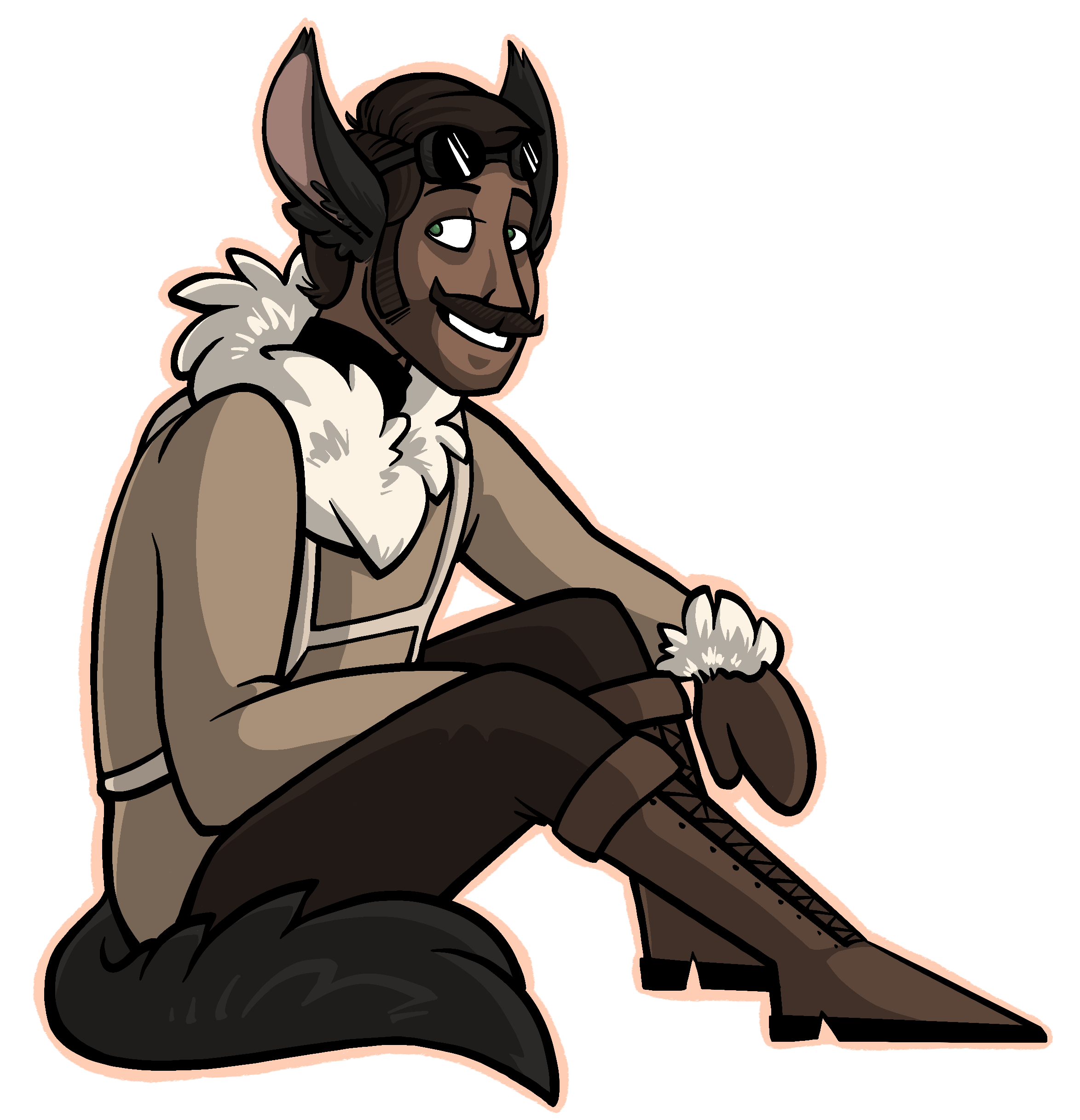
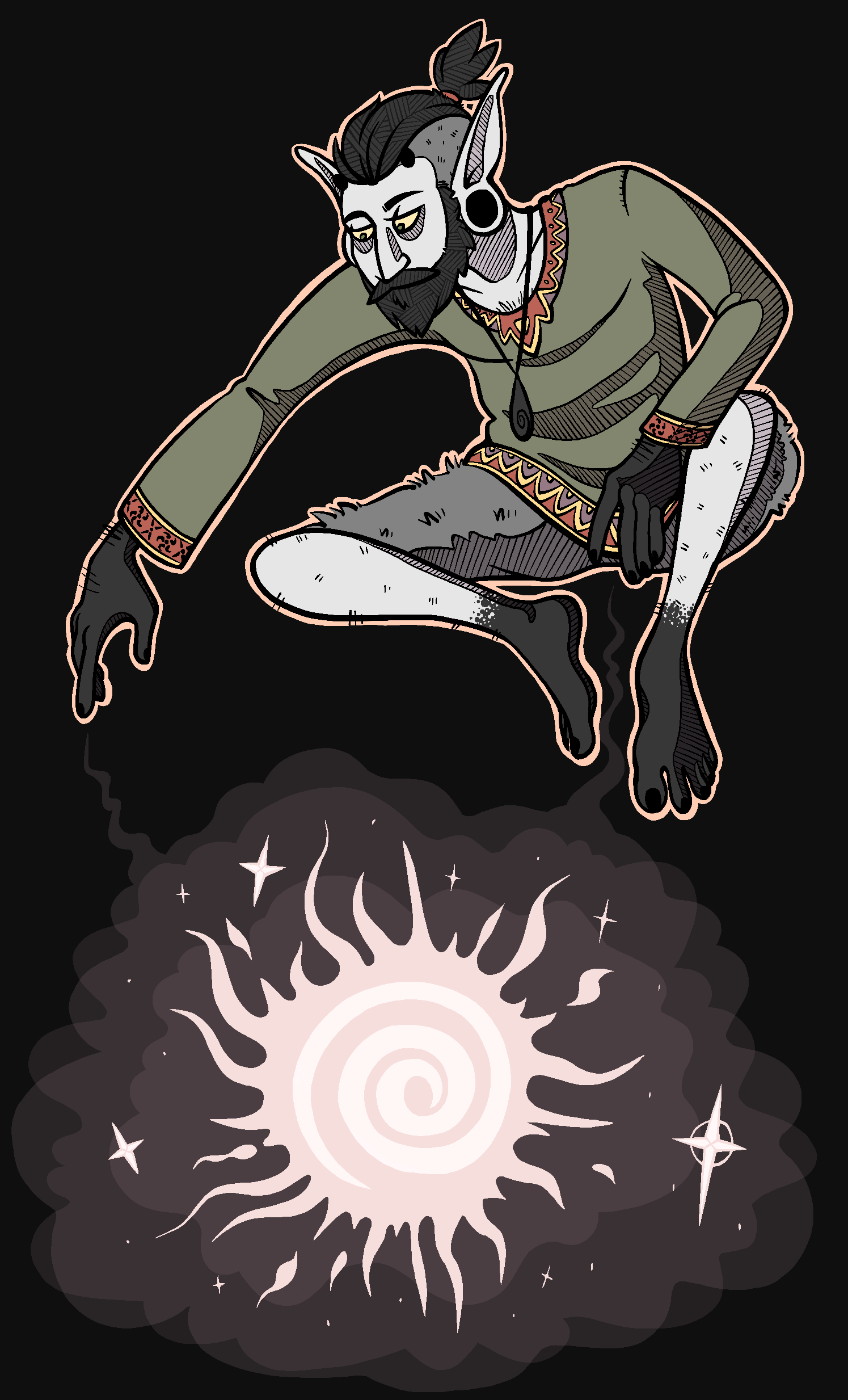
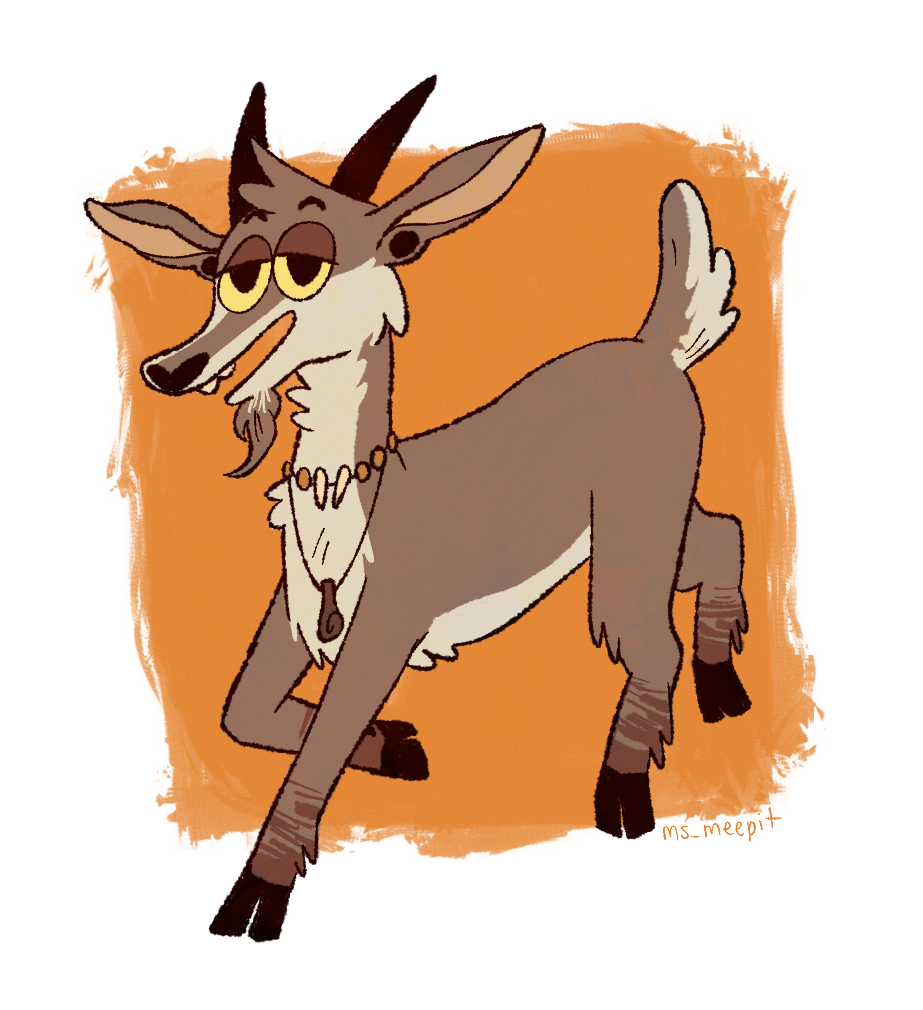
There is a single yurt tucked away behind the Sky Pillar, close enough to the rest of the tribe to be connected, but just far enough away that all visits must be purposeful. Yevekai is the only Tikal tribesman to live alone, and this is something that has shaped a large part of his identity. It would not be hard for Yevekai to walk the 15 or so minutes back the more populated areas, but he rarely does.

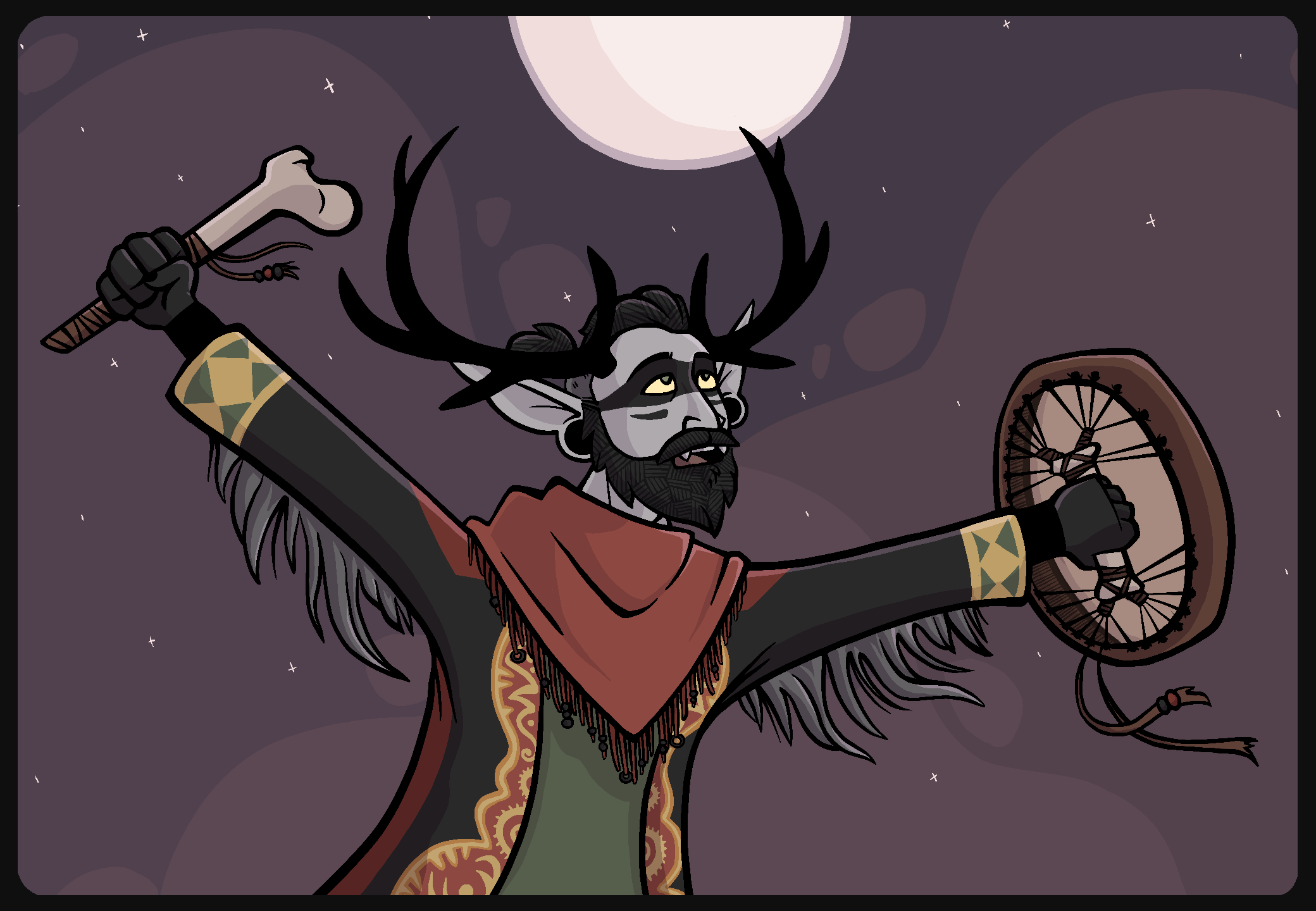
The inside of the yurt is warm and well lit by a crystalfire hearth in the center, and the walls are lined with shelves upon shelves of strange curios and holy regalia. At the top of one shelf in particular is a skull with an enormous rack of black antlers sprouting out of it.

Have you met old Tavol? He's rather hard to miss. Don't worry, he's been dead for a little while now. Comparatively speaking, not especially long, actually. Twelve summers, I believe.

Compared to what?

Many things.


Tavol was some 500 years when God finally allowed him to die. In his sleep, if you were wondering. I assumed the mantle from there, and my first duty was to perform my mentor's funeral rites. I would imagine the process will seem rather gruesome to an outlander, but it called for me to bleed him and strip the flesh from his bones. Tradition calls for different methods of returning blood, bone, and flesh to the earth, but I won't bore you with the details. In the end, I'm the keeper of the most important part of him. Typically that task would go to his closest remaining kin, but Tavol had none. He outlived them all. So, now he lives with me.

Though Yevekai spends much of his time alone, he converses regularly with the skull. More often than not, it's simply him thinking aloud, though he will not hesitate to address his mentor directly. What do you think about that? He does not seem to expect an answer from the dead man. At least there's that.

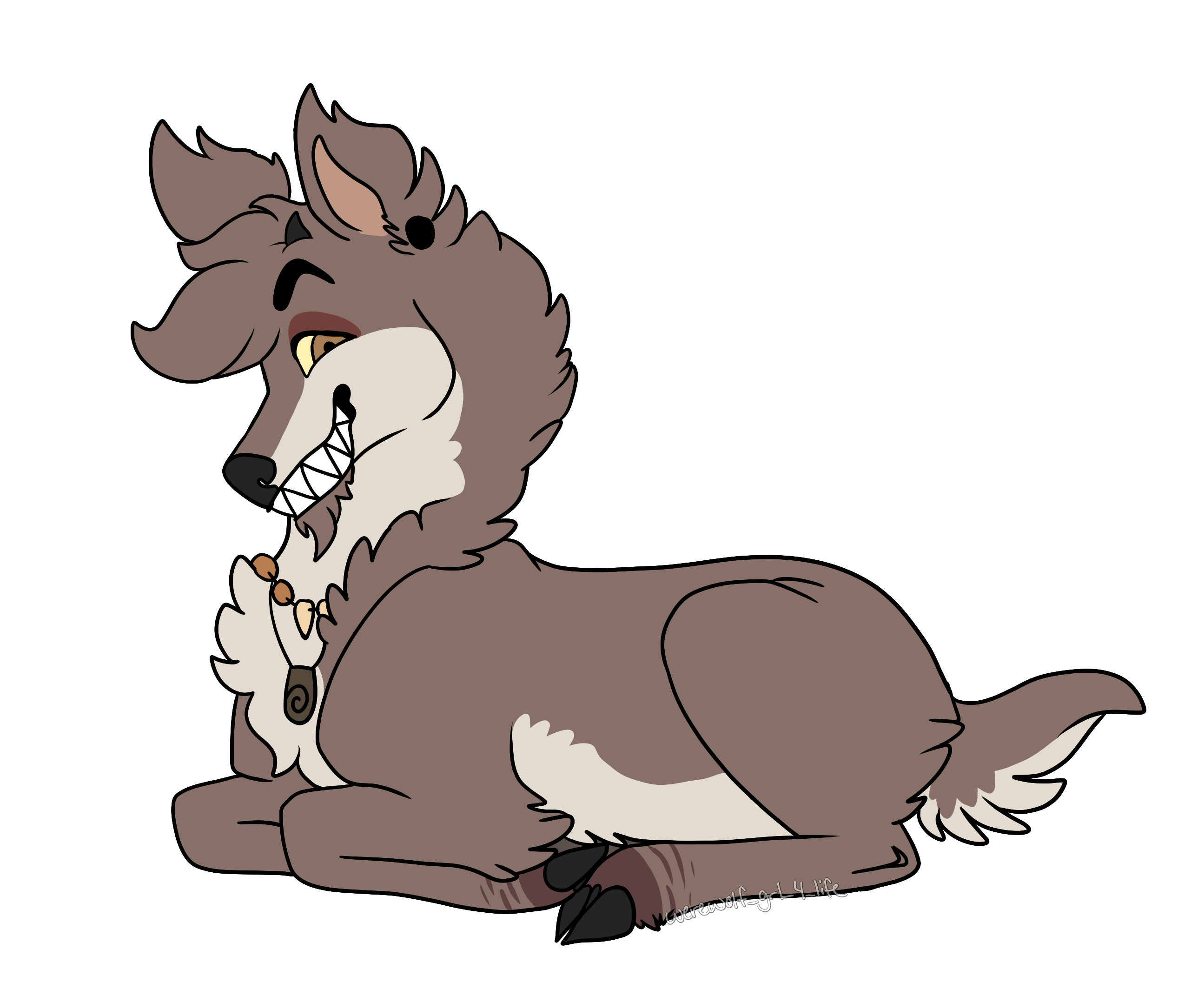
So it seems that the priest is a hermit by choice. He's rather young as far as wise men go— a rather spry 33 summers compared to his predecessor's five centuries. But already, there is a deep knowledge and understanding that radiates off of Yevekai. It's something behind the eyes. I am what they call an old soul, he admit.

The visions began when Yevekai was young. Twelve years old, he is quick to point out. Much of his time is spent witnessing and contemplating these visions, leading him to often appear lost in thought if not in an outright trance. He will become completely unresponsive to the outside world for hours, if not days at a time, and he has a curious habit of staring directly into the sun.

He compares it to becoming lost in a dream, to the point that the world around him becomes insignificant and falls away. So, what exactly are these visions?

I see the cosmos and the unknowable wonders it contains. I have witnessed the birth of this universe, and I have seen the time before time. Far distant eyes see through mine, and this world stirs distant memories that are not my own.

Quite the fantastic claim. You may wonder, exactly whose memories are these? Why, you have only to look to the sun and moon, the eternal eyes that ceaselessly watch the world turn. No, not the Elder Gods, but the one who came before. If you've brushed up on your theology, this should ring a bell. The primeval, nameless entity who wove this universe together, the cosmic wanderer whose death sparked the beginning of all life. The dead god. All Creation.

Not dead. Dreaming, the priest insists.


Clearly, he has gone mad in his solitude. Despite this, Yevekai seems fully cognizant. The claims of his kin, that he is strange but harmless certainly seem apt. And what of a supposed priest of Archaeos who instead worships a long dead entity? Surely that would be a monumental conflict of interest.

I spoke first of my visions to Tavol, who insisted I speak with God, and this was allowed. I have told my Patron far more than I've mentioned to you. From this, I was chosen as the next servant to God. Old Archaeos has taken great interest in my visions. It is agreed that these are, of course, not my own. I am a vessel. Not the first, hardly the last. Of course, I undertake all the holy duties of my predecessor. However, given the circumstances, I have begun to undertake some additional practices. If this were unwanted behavior, my Patron's reaction would not be subtle.


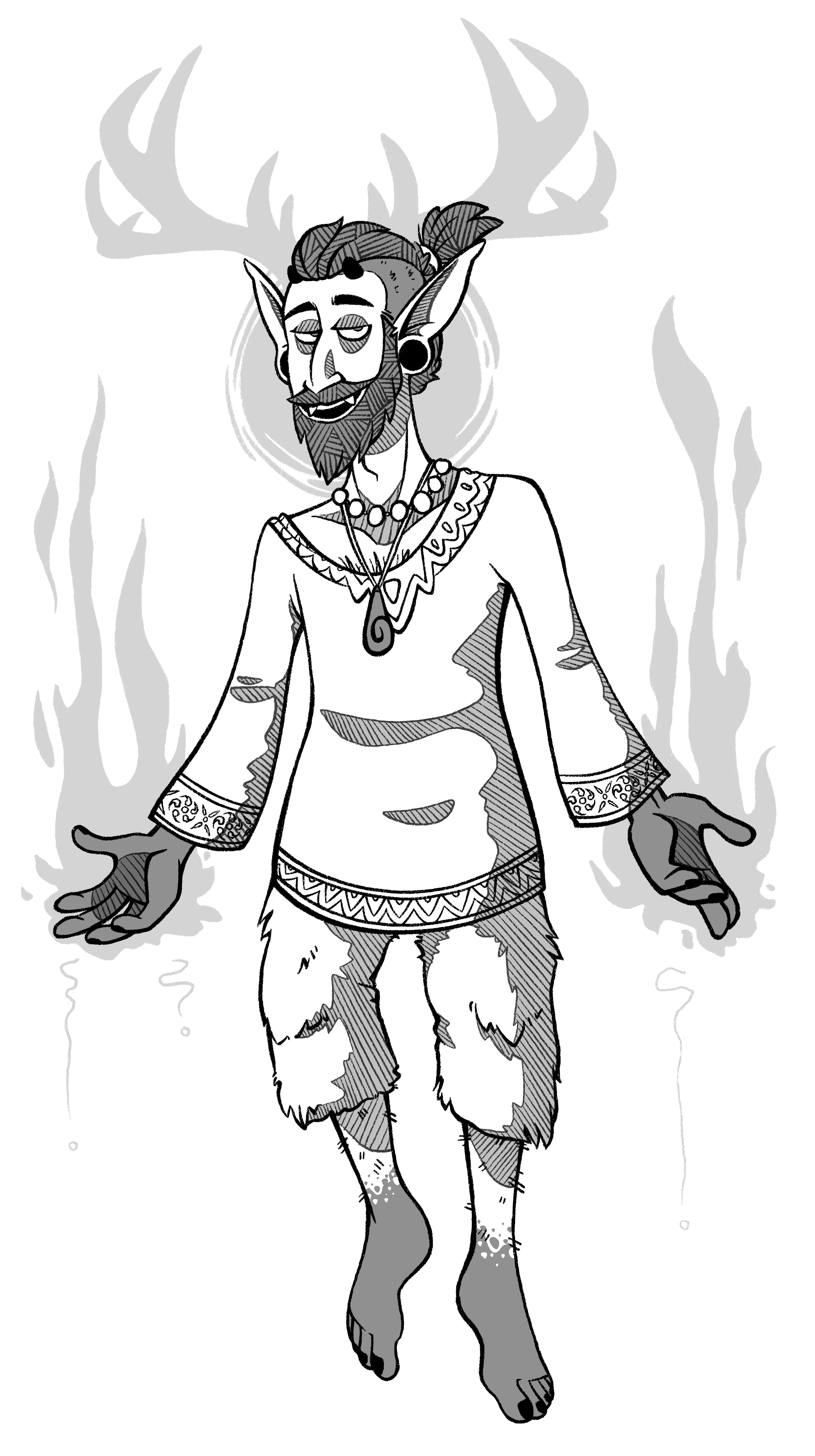
NAME: Yevekai
NICKNAME: Yeve (Yeh-vey)
ROLE: Priest of Archaeos
BORN: Tikal, Uir
RACE: Naiko
D.O.B.: 28/08/14,473
AGE: 33
HEIGHT: 6 ft 2 in
WEIGHT: 150 lbs

Sloppy
Quiet
Lazy
Serious
Mean
■■■■■□□□□□
■□□□□□□□□□
■■■■□□□□□□
■■■■■■■□□□
■■■■■■■■■■
Neat
Outgoing
Active
Playful
Nice


go back


As with all things, your time in Tikal must come to an end. As eager as the locals were to see you come, they are just as excited to watch you go. Hospitality has its limits. Besides, surely you have some warmer places to visit.

Of course, you can return at any time. If you really wanted to.


Coding help/inspiration from Nex
Character, art, story, etc by me
This page was created as part of the
Sparkledog Enthusiasts Spring '26 Bootcamp.


begin again